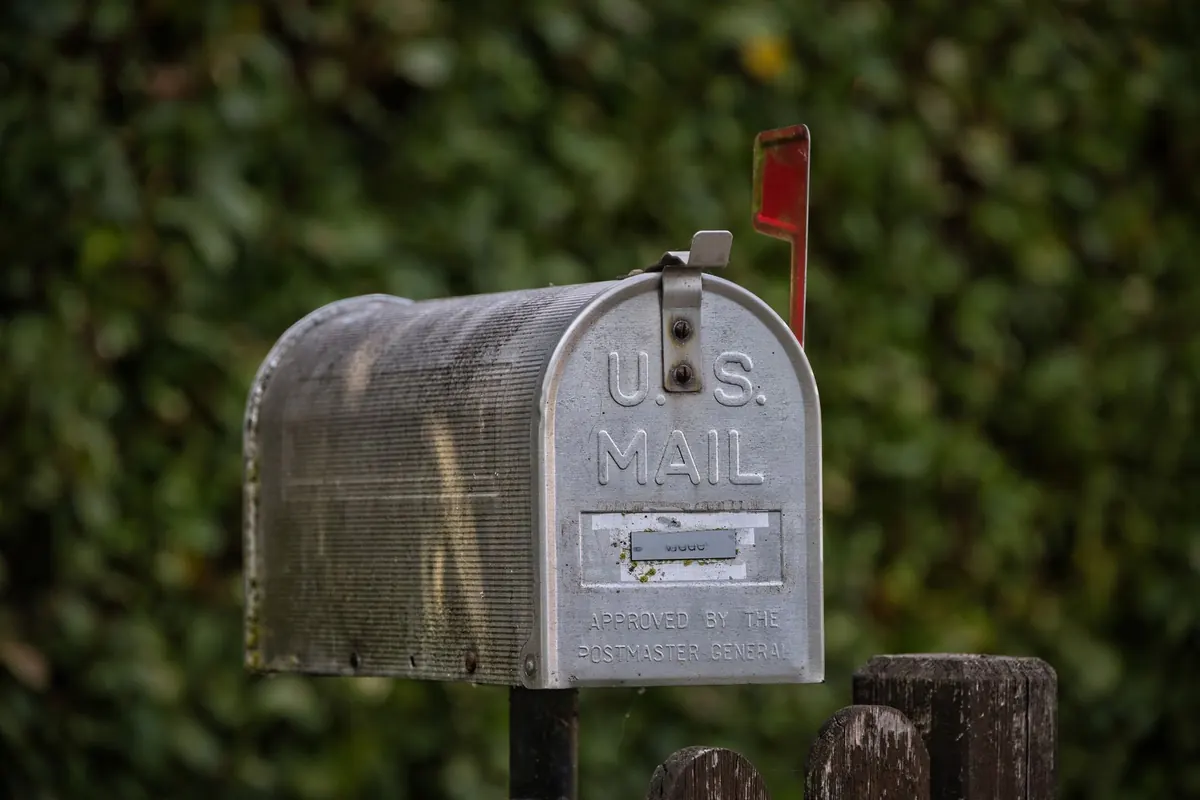
A postbox is one of the simplest pieces of equipment in daily life. You drop a letter, hear it land, and walk away. That simplicity is exactly why small mistakes go unnoticed. A missing stamp, a smudged postcode, or a parcel wedged into a letter slot can turn a one-day delivery into a week-long detour—or a return to sender. Most of these problems are easy to prevent once you know what to check.
Not every postbox is a single, all-purpose slot. Many have separate openings for stamped mail, metered mail, or larger items. Some are only for letters; others accept small parcels. If you ignore the labels, your item may be rejected, delayed, or jammed inside the box.
Size matters too. A thick birthday card, a padded envelope, or a small package might fit halfway and then stop. Forcing it can damage the envelope and the box. Leaving it on top of the postbox is worse: it can be blown away, stolen, or treated as litter.
Take oversize or bulky items to a post office counter or a parcel locker. If the box has a parcel slot, check the maximum dimensions before you post. When in doubt, use the counter. It costs a little time, but it avoids a lot of uncertainty.
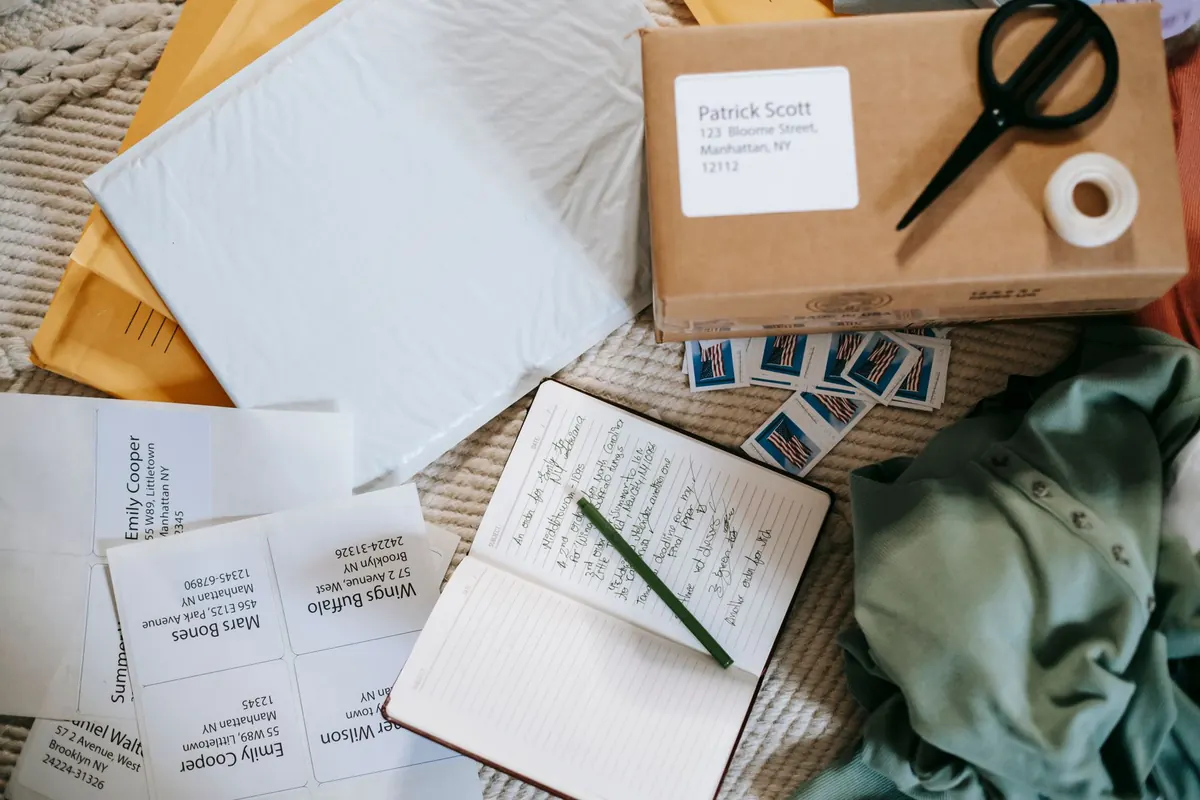
Postage is where good intentions often fail. People reuse an old stamp, guess the weight, or place the stamp in the wrong spot. Postal equipment reads mail quickly, and anything unusual can send your envelope to manual handling.
Put stamps on the front, top right, and leave a small margin around them. If you print postage at home, make sure the label is clear and firmly attached. Weigh the envelope if it contains more than a couple of sheets, photos, or a rigid card. Rates depend on size and weight, so a quick check at the counter or on a postal scale saves guesswork.
An address is not just information. It is a set of instructions for machines and carriers. When those instructions are unclear, your mail slows down. Handwriting that slopes, fades, or crowds the postcode is a common culprit. So is leaving out an apartment number or writing the town in the wrong place.
Use block capitals if your handwriting is hard to read. Write the full postcode on its own line. Include the house or building number, street name, unit or apartment number, city, state or province, and postcode. For international mail, write the country name in English and in capital letters. Do not use pencil, and avoid glitter pens or labels that peel at the edges.
Many people skip the return address to save space. That is a mistake. If the address is wrong, the postage is short, or the item is damaged, the return address is the only way your mail can find its way back to you. Write it in the top left corner of the front, or on the back flap if the front is crowded.
You can do everything else right and still miss the day's collection by five minutes. Collection times are printed on the postbox, but they are not all the same. A box in a busy city center may have a later pickup than one on a residential street. Saturday times are often different, and public holidays can cancel a collection entirely.
Look at the plate on the box before you post, not after. If the last collection was at 5:00 p.m. and you arrive at 5:10 p.m., your letter will sit overnight. That may be fine for a birthday card, but it is a problem for a bill, a job application, or a legal document.
If timing is tight, use a post office counter or a service with a guaranteed cutoff. Collection times can change, so check the box's notice rather than relying on memory.
Mail sorting machines are fast and unforgiving. An envelope that bulges, a clasp that catches, or a loose key inside a birthday card can cause delays or damage. Sharp objects, liquids, and fragile items need proper packaging and often a counter service, not a postbox.
Use a padded envelope for anything that might bend or break. Seal all edges with strong tape. Do not use string, staples
Photo: Wolfgang Vrede / Pexels